
 Losing a loved one leaves a space in our lives that no one else can fill. Yet, in Islam, the bond between the living and the deceased does not end with death. Through acts of charity and worship, we are able to continue benefiting those who have passed on.
One such act is Qurbani (Udhiyah) a powerful form of devotion performed during Eid ul Adha. Many Muslims ask: Can Qurbani be performed on behalf of the deceased?
The answer is yes - and it is a deeply meaningful way to honour their memory and continue doing good on their behalf.
Can Qurbani be Performed on Behalf of the Deceased?
Yes, it is permissible to perform Qurbani on behalf of a deceased person based on the general principle that acts of charity (Sadaqah) can benefit the deceased. Qurbani, which involves both worship and charity, falls within this category.
Many scholars also reference the practice of the Prophet Muhammad (SAW), who is reported to have offered Qurbani on behalf of himself and members of his Ummah.
This establishes that the reward of good deeds can be conveyed to others, including those who have passed away.
Why Perform Qurbani for a Deceased Loved One?
Performing Qurbani for the deceased carries deep spiritual and emotional significance.
- Honouring Their Memory
It is a way of remembering loved ones with a meaningful act of worship, especially during the blessed days of Dhul Hijjah.
- Continuing Acts of Charity
Even after death, a person can continue to receive rewards through the actions of others. Qurbani becomes a form of ongoing charity on their behalf.
- Earning Reward (Sadaqah Jariyah)
While Qurbani is not technically classified as Sadaqah Jariyah, it still brings reward to both the giver and the deceased.
How to Perform Qurbani for the Deceased
The process of performing Qurbani for a deceased person is simple and follows the same guidelines as regular Qurbani.
- Make the Intention (Niyyah)
Before the sacrifice, clearly intend that the Qurbani is being performed on behalf of the deceased individual.
- Perform the Qurbani
Ensure the sacrifice:
- Meets all Shari’ah requirements
- Is done within the correct time (after Eid salah)
- Uses a valid animal
- Distribute the Meat
The meat should be distributed in the same way:
- One portion for yourself
- One for family/friends
- One for those in need
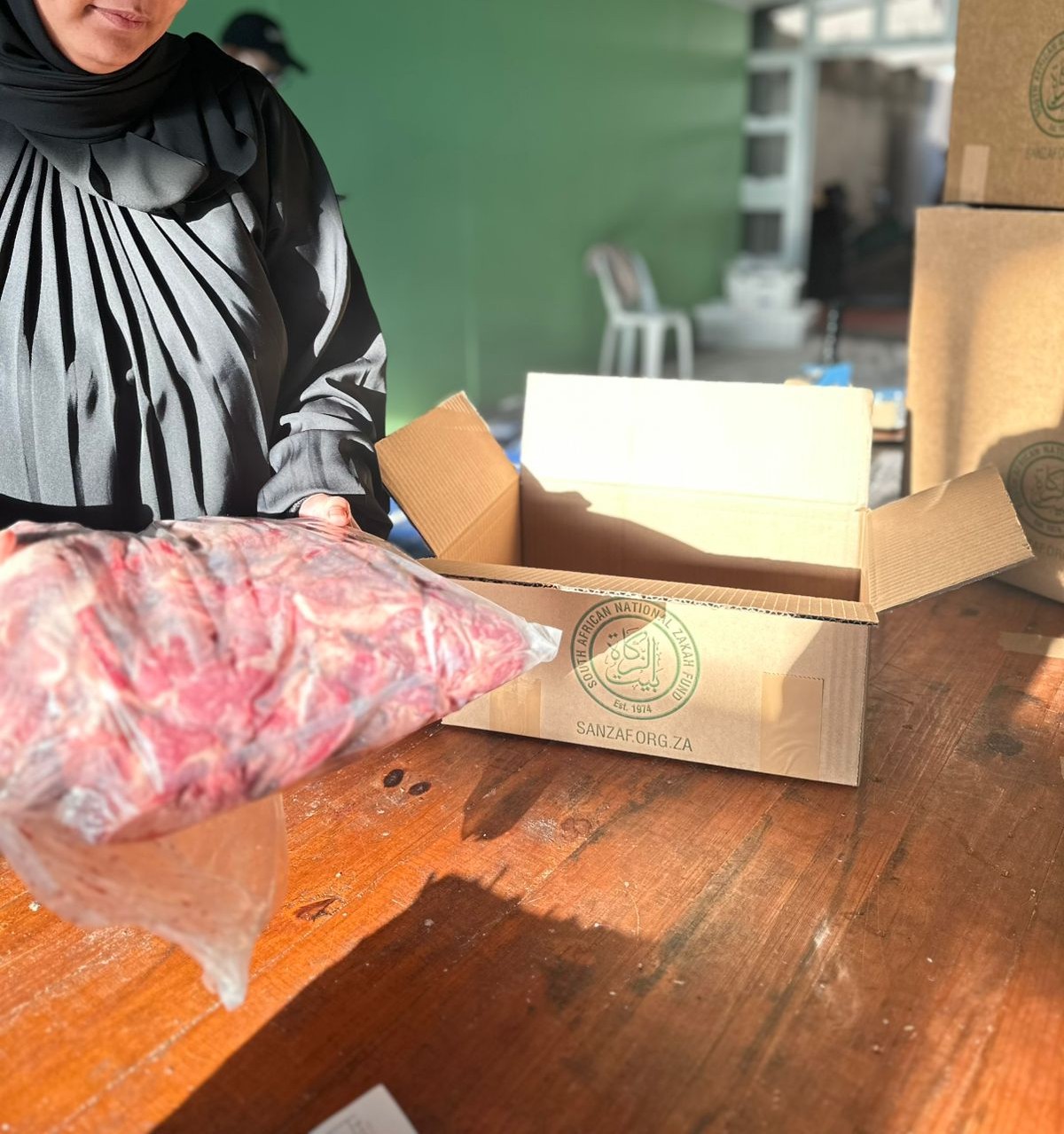
When done through organisations like SANZAF, this distribution is handled efficiently and reaches vulnerable communities.
- Make Du‘a for the Deceased
Along with the Qurbani, make sincere Dua asking Allah (SWT) to accept the reward and grant the deceased mercy and forgiveness.
Is It Obligatory to Perform Qurbani for the Deceased?
No, Qurbani on behalf of the deceased is not obligatory. It is:
- A voluntary act (Nafl)
- A form of charity and remembrance
Qurbani can be performed on behalf of the deceased, and it is one of the most beautiful ways to honour their memory while benefiting others.
As you prepare for Eid ul Adha, consider including a loved one in your Qurbani. Through this act, you not only fulfil a Sunnah but also extend compassion, charity, and reward beyond this world.
Perform your Qurbani on behalf of a loved one through SANZAF:
https://www.sanzaf.org.za/qurbani-form
May Allah (SWT) accept your Qurbani and grant mercy to those who have passed on, Ameen.